For pet owners, a fence isn’t just about marking property lines; it’s about keeping your furry family members safe, secure, and happy. However, even the best fences can develop issues over time, especially when curious or energetic pets are involved. Understanding the most common fence problems and how to fix them can help you maintain a reliable and pet-friendly outdoor space.
At High & Tight Fencing, we specialize in practical, long-lasting solutions designed with both homeowners and pets in mind.
1. Dogs Digging Under the Fence
One of the most common challenges pet owners face is digging. Dogs often try to escape by burrowing under the fence, especially if they’re bored or trying to reach something on the other side.
The Fix:
Installing a mow strip (a concrete or gravel border along the base of the fence) is one of the most effective (and aesthetic) solutions. It not only stops digging but also makes lawn maintenance easier. You can also reinforce the bottom of the fence with buried wire mesh or extend the fence a few inches below ground level. Another after-the-fence-is-already-built option we recommend to our customers is Dig Defence Animal Barrier. It's simple to install and deters digging in most dogs, large and small.
2. Gaps Between Panels or Under the Fence
Even small gaps can be an open invitation for smaller pets to squeeze through or get stuck. Over time, soil erosion, weather, or poor installation can create these gaps.
The Fix:
Regularly inspect your fence for openings and address them early. Adjust panels, fill in low spots with soil or gravel, or install additional boards to close gaps. Choosing quality fencing materials and proper installation from the start helps minimize these issues.
3. Fence Height That’s Too Low
Some dogs are natural jumpers. If your fence isn’t tall enough, it may not take much for them to leap over and escape.
The Fix:
Consider increasing the height of your fence, especially if you have a larger or more athletic dog. Most pet owners find that fences between 5 and 6 feet provide better security. You can also add extensions or angled toppers to discourage jumping without replacing the entire fence.
4. Loose Boards or Weak Sections
Active pets can put a lot of pressure on a fence, especially if they run, jump, or lean against it frequently. Over time, this can lead to loose boards, bent sections, or weakened posts.
The Fix:
Perform routine checks and tighten or replace any damaged components. If you notice recurring issues, it may be time to upgrade to stronger fencing materials or have a professional assess the structure.
5. Visibility and Reactivity Issues
Some dogs become reactive when they can see other animals or people through the fence, leading to barking, jumping, or attempts to escape.
The Fix:
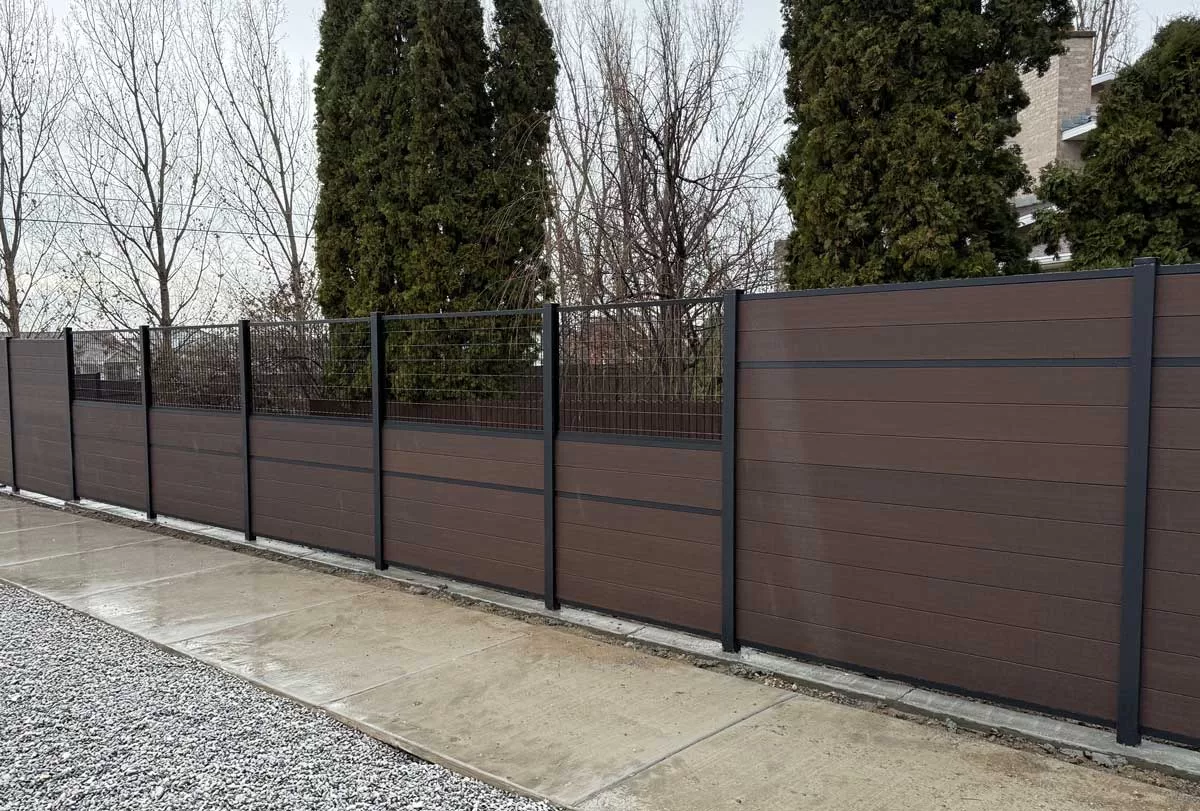
Adding partial privacy elements (such as slats, panels, or landscaping) can help reduce visual triggers. This creates a calmer environment for your pet while still maintaining airflow and light.
Create a Safer Space with High & Tight Fencing
A pet-friendly fence should be strong, secure, and tailored to your dog’s behavior. Addressing common problems like digging, gaps, and insufficient height can make a big difference in your pet’s safety and your peace of mind.
At High & Tight Fencing, we offer customized solutions designed to handle the unique challenges of pet ownership. Proudly serving Logan, Utah, and the Cache Valley area, we’re here to help you build a fence that works for your whole family - pets included!